
Lower Elementary (ages 6-9)
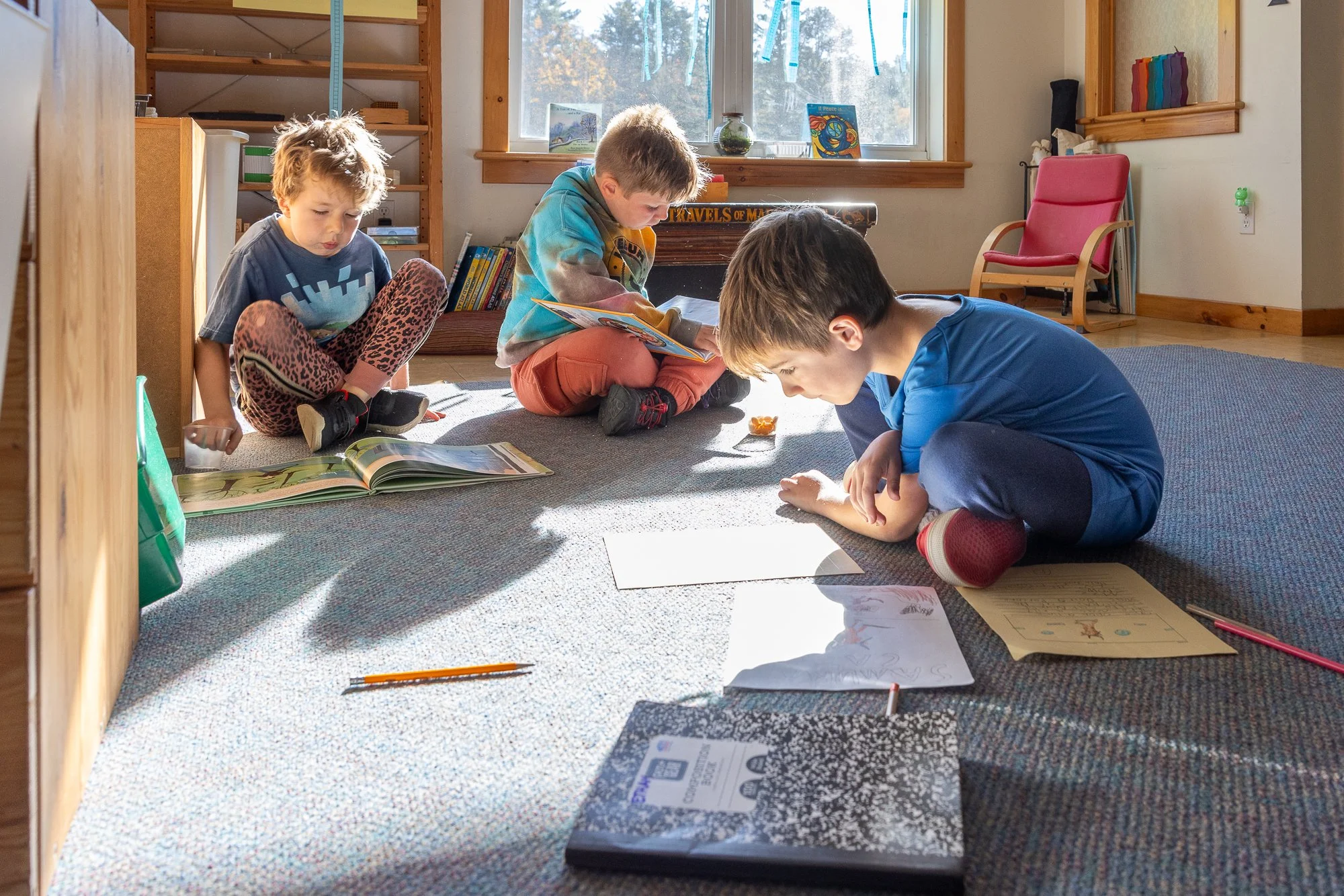
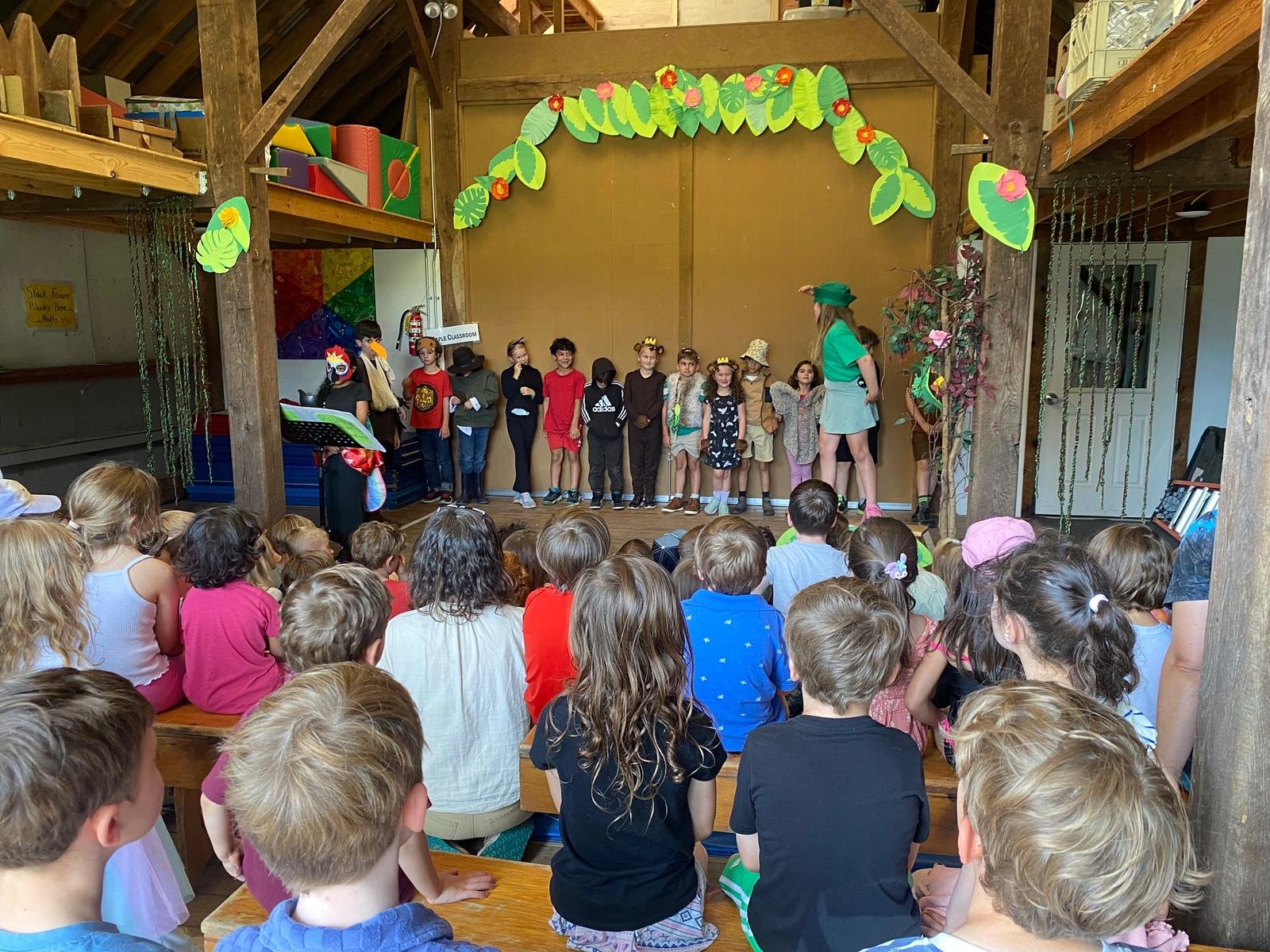
Our Lower Elementary Program includes ages 6 to 9 (grades 1-3). A very special community is formed during this three-year cycle by the children and their teachers, filled with memorable interactions and a chance for students to further their exploration of the world around them. Friendships and memories formed here have often lasted into adulthood…and may last forever!
Gaining Independence, Expanding Perspectives
At Homestead, the Lower Elementary student deepens their academic, social, and organizational skills, garnering more freedom and responsibility beyond the classroom.
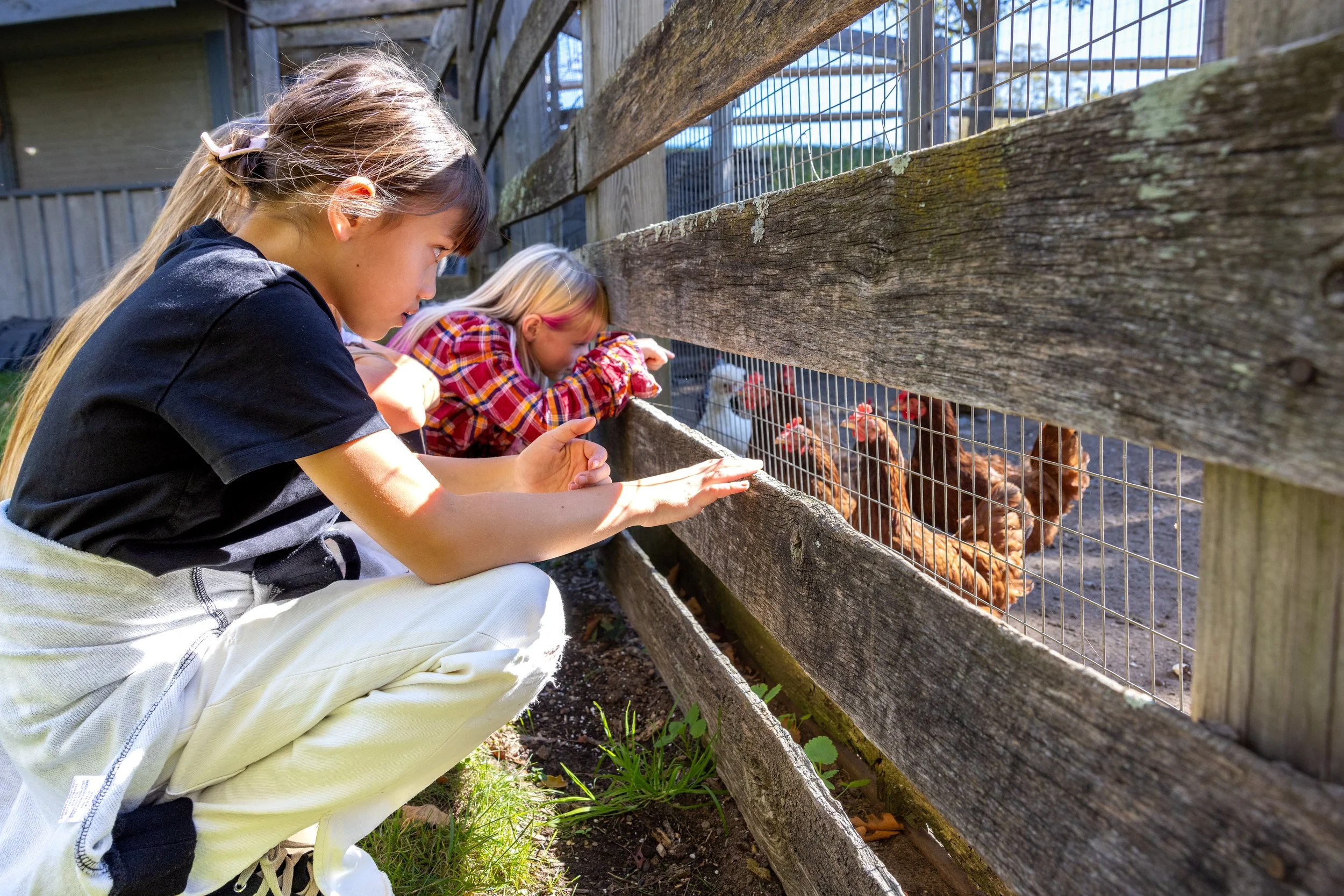
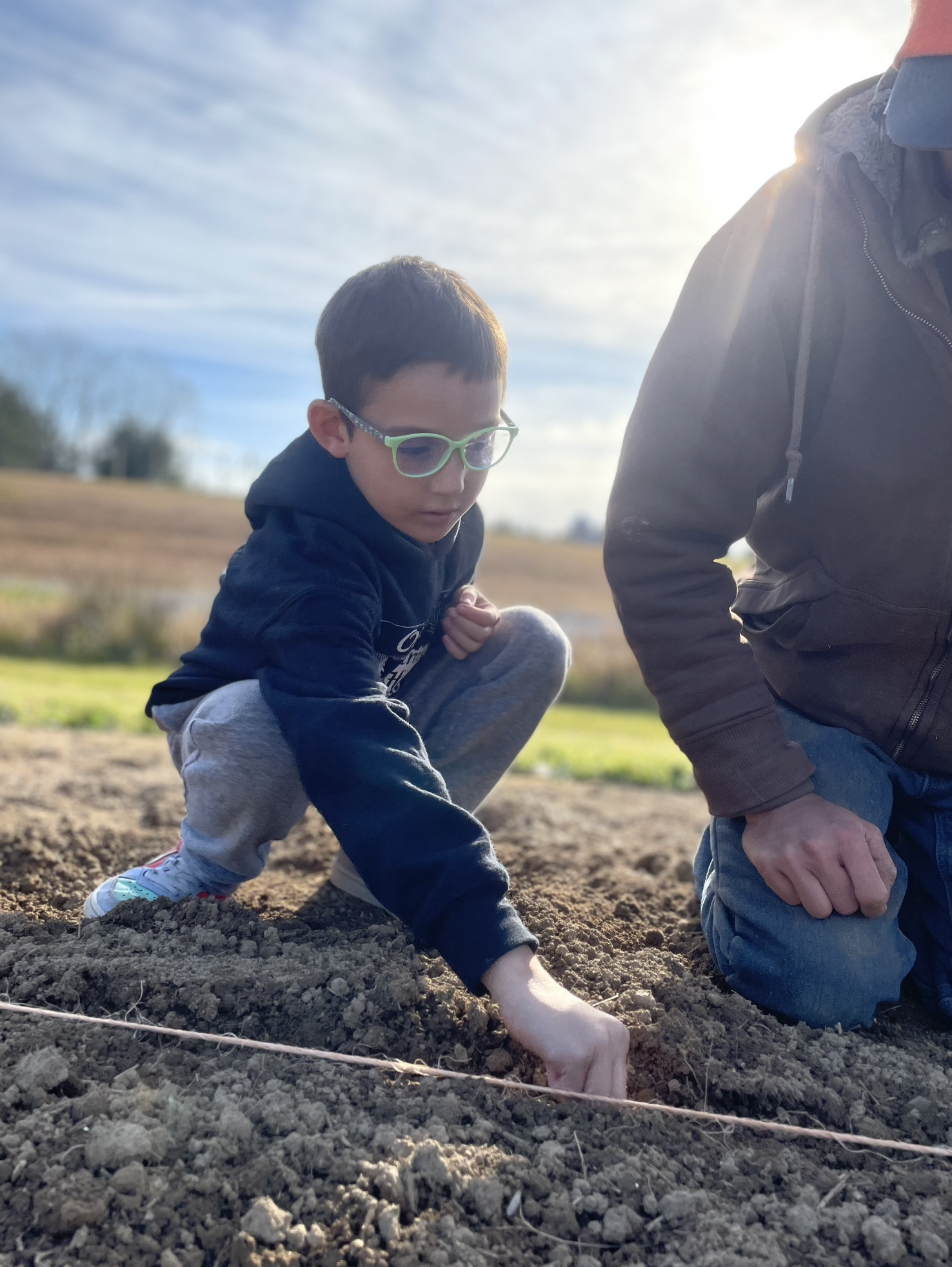
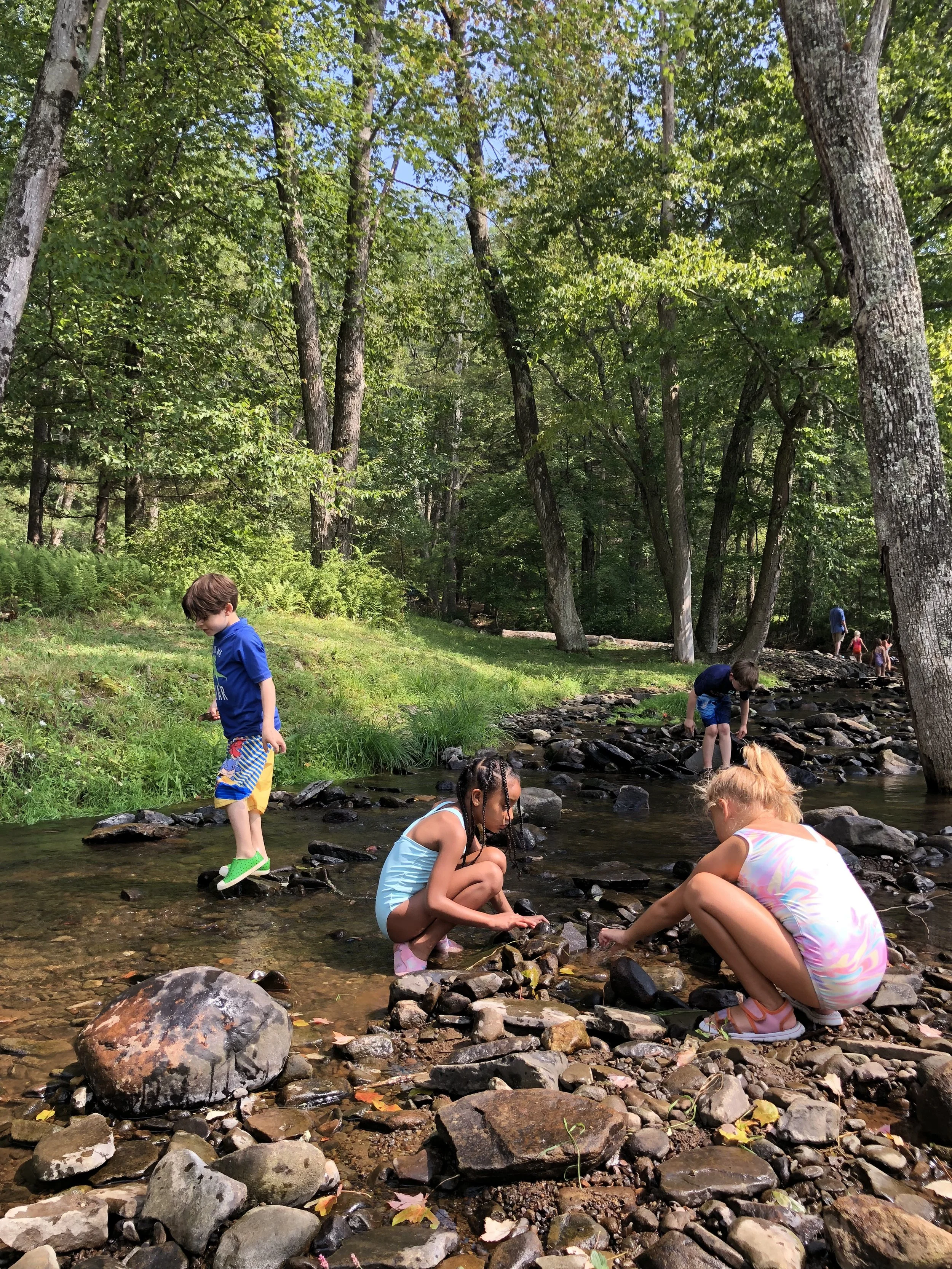
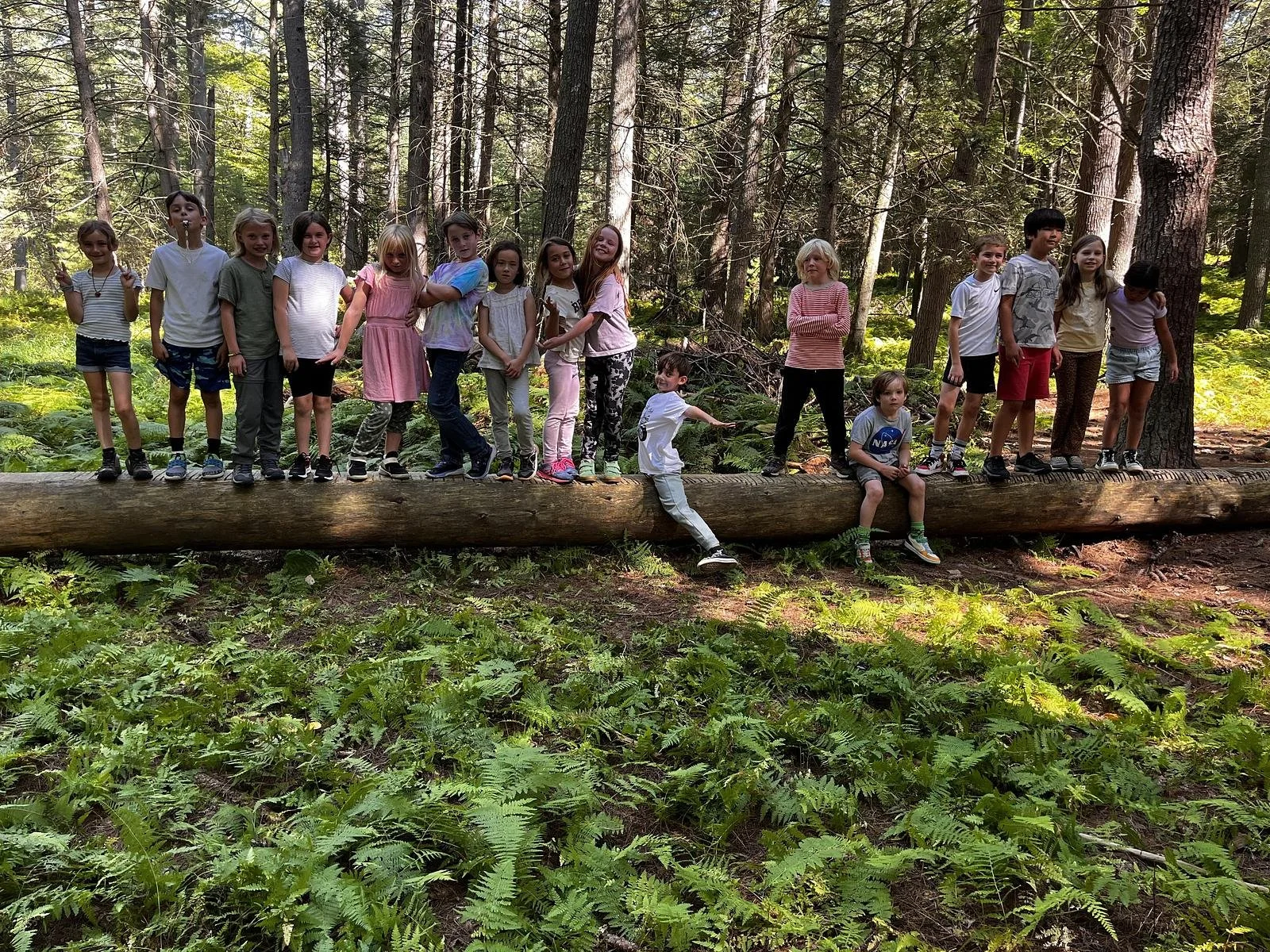
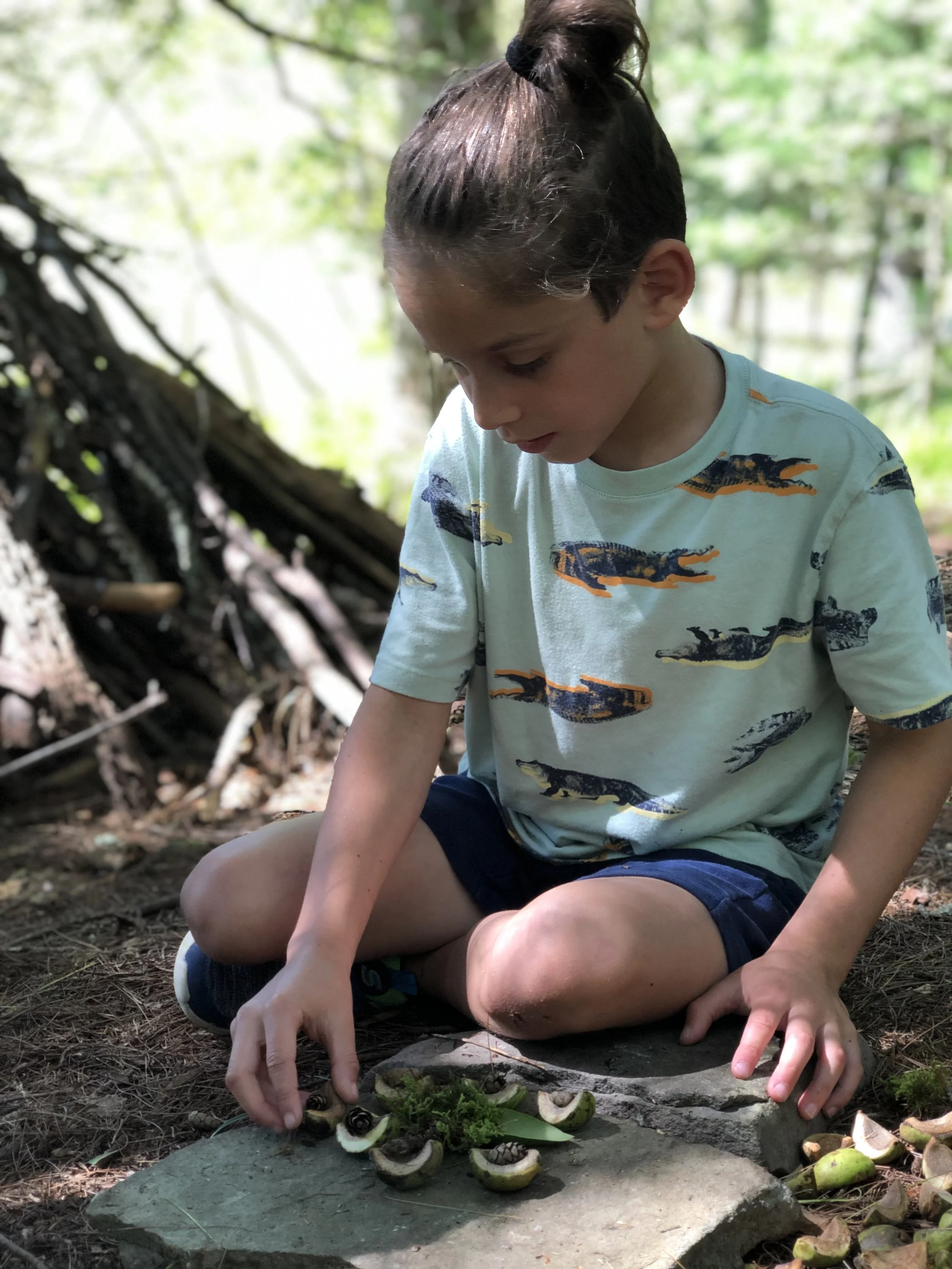
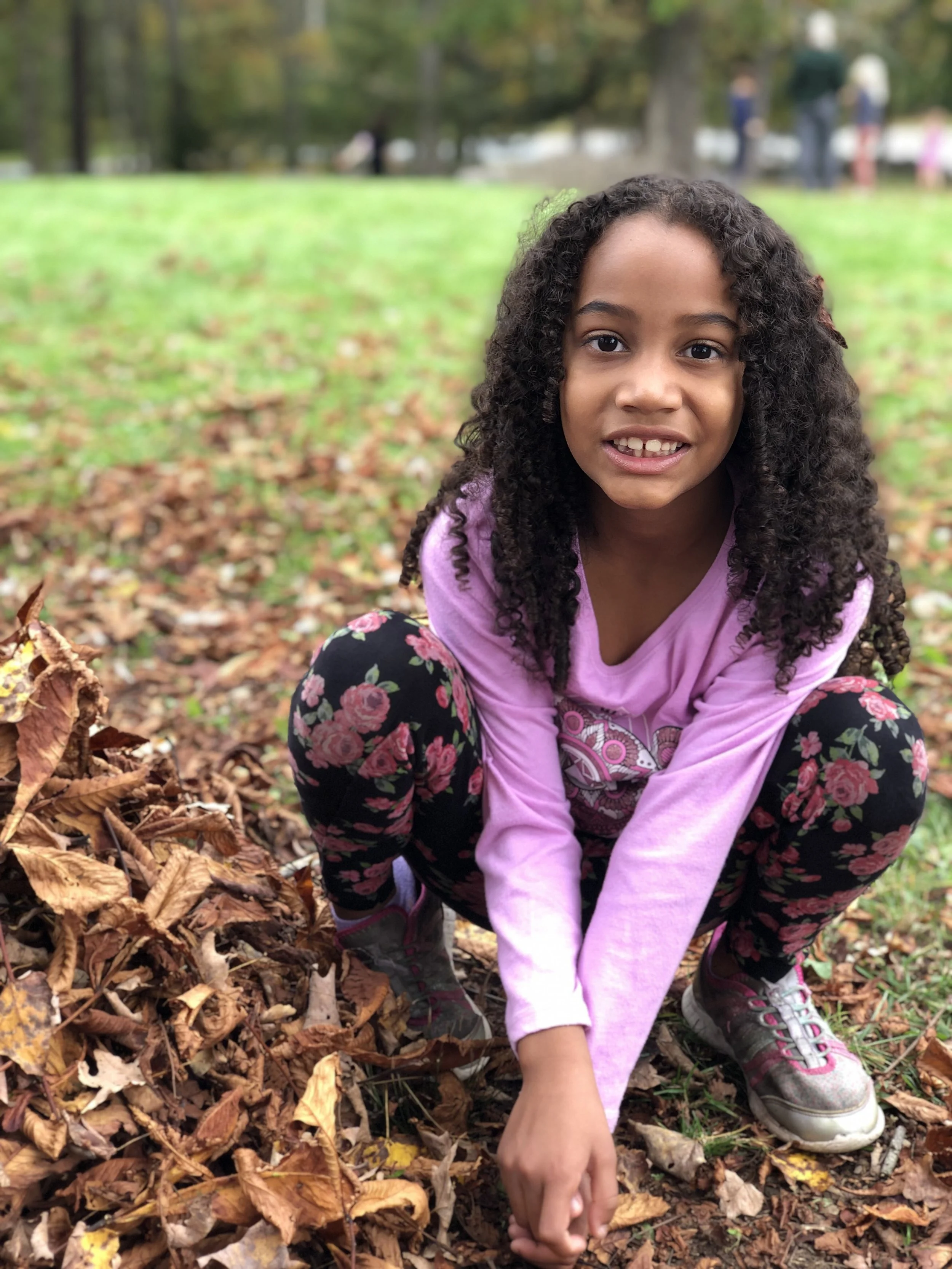
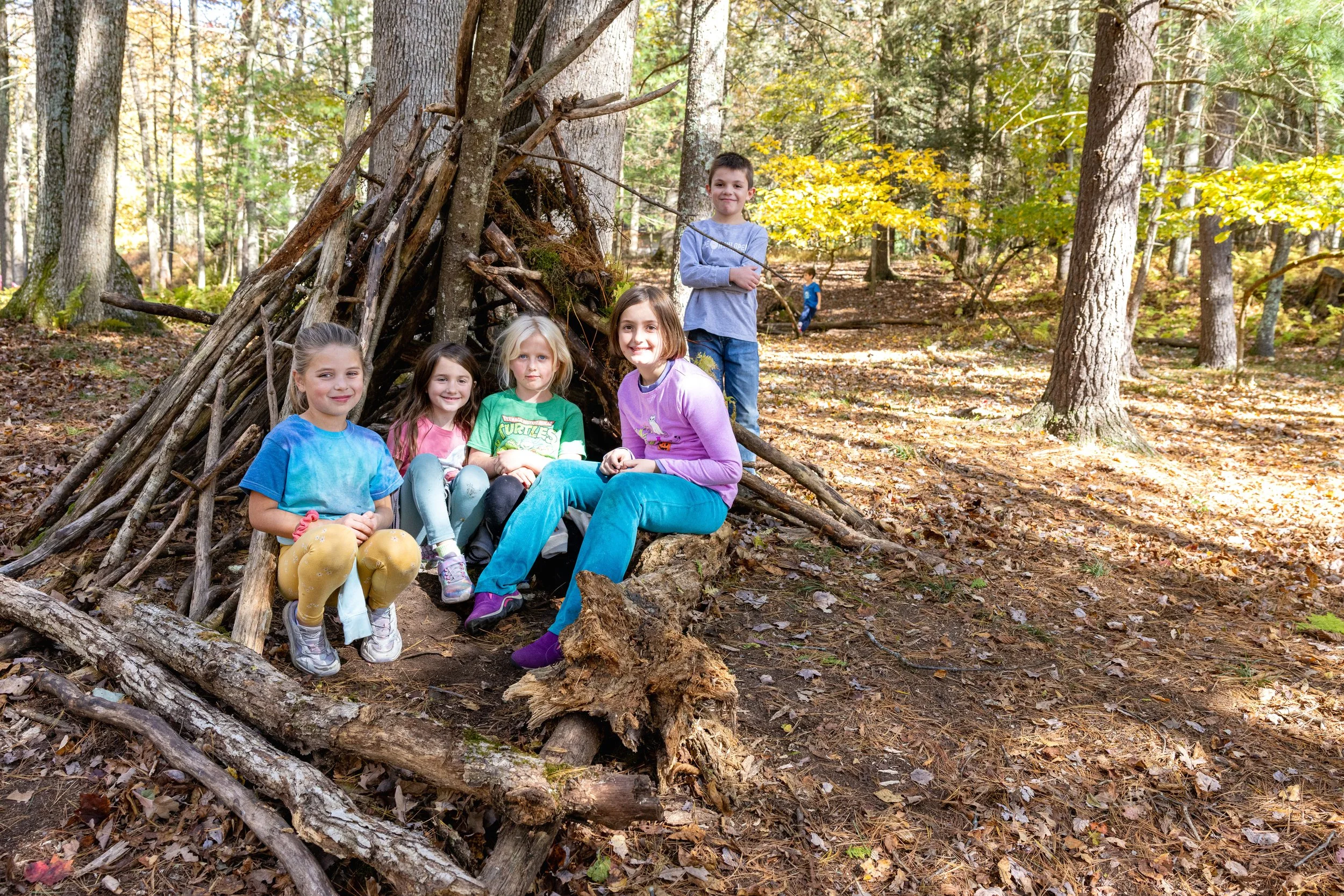
Students explore further areas on campus, learning about plants, animals, and ecology through discovery. They learn to research and report, and begin to develop and uphold community standards.
Through this work, elementary students begin to expand their perspectives into a wider understanding of our world. Along the way, students experience an increase in independence as they learn to care for their own classroom environment and each other.
A Typical Day At Lower Elementary
8:00-8:30 am — Drop-Off and free play on tennis court and courtyard
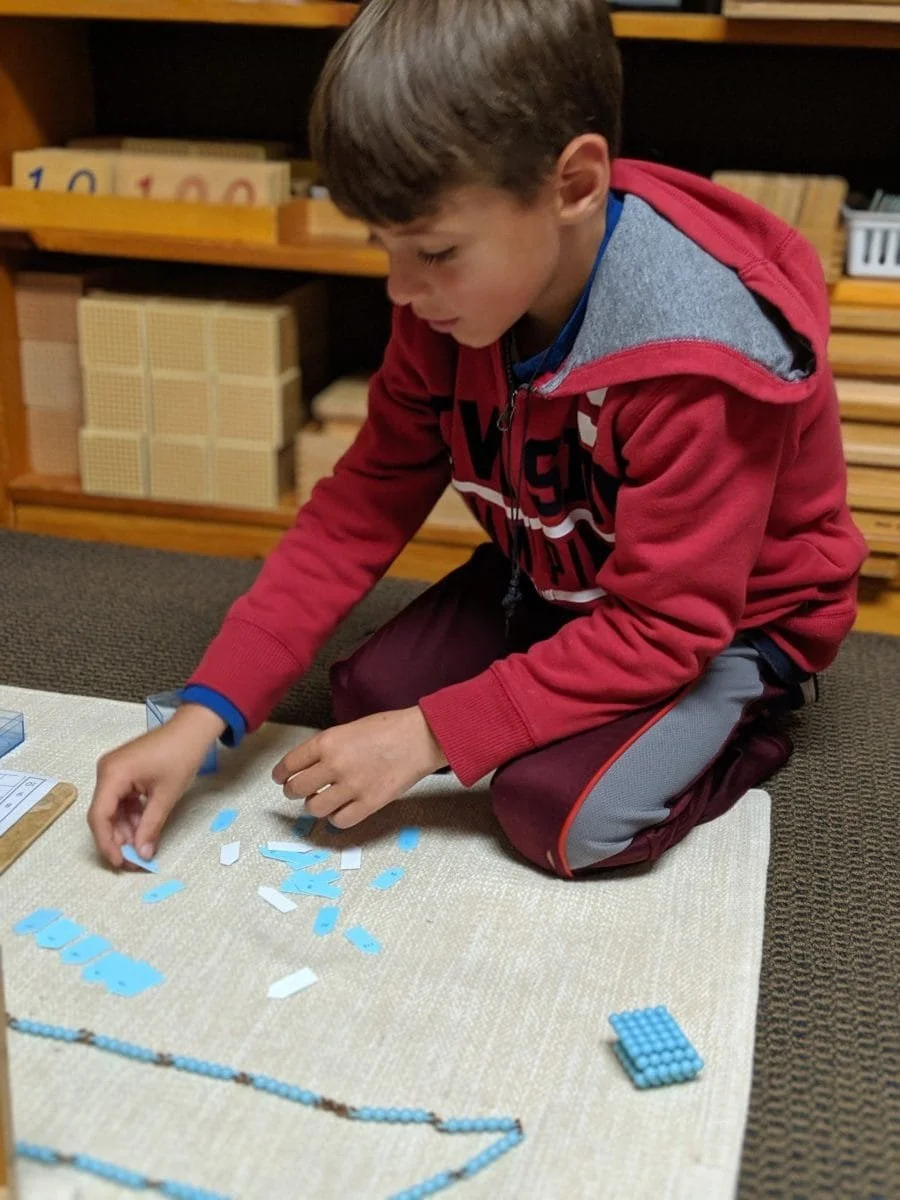
8:45-11:15am — Independent work cycle and Community Meeting
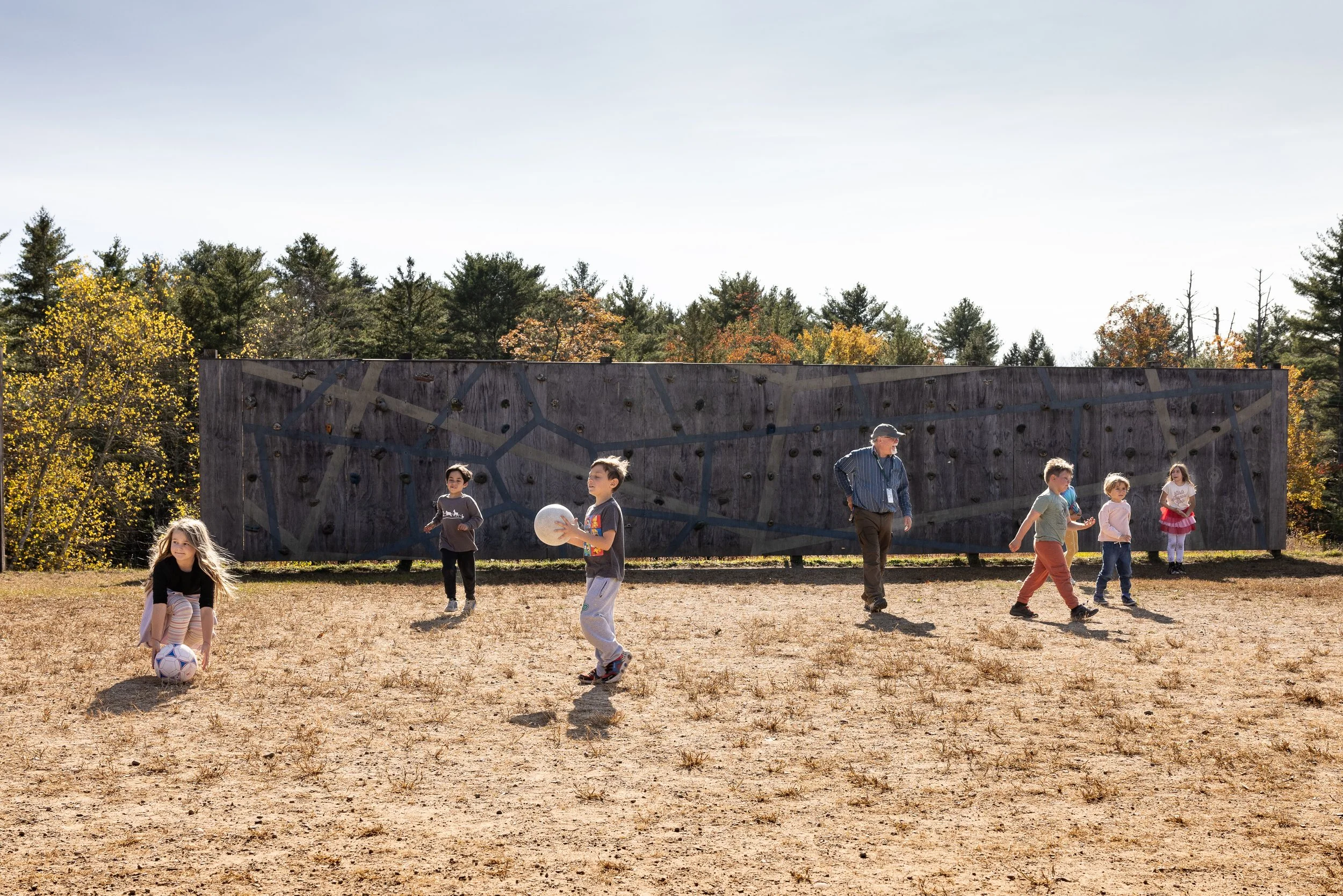
11:30-12:45 pm — Lunch & Recess
12:45-2:00 pm — Read-Aloud, Independent Work Cycle, Enrichment Class
2:30-3:00 pm — Dismissal
“Our aim therefore is not merely to make the children understand, and still less to force them to memorize, but so to touch their imagination as to enthuse them to their innermost core. We do not want complacent pupils, but eager ones. ”


Our Lower Elementary Curriculum
An Integrated Curriculum — The Five Great Lessons
Our elementary program has at its heart what Maria Montessori called Cosmic Education. The lower elementary portion of this program is centered on Montessori’s Five Great Lessons which are:
Lesson 1 - The Story of the Universe
Lesson 2 - The Coming of Life
Lesson 3 - The Coming of Human Beings
Lesson 4 - The Story of Writing
Lesson 5 - The Story of Numbers
These lessons offer impressions of wide concepts and offer the structure into which all elementary learning can be integrated. In Early Childhood, these science and humanities learning topics are offered as Cultural Studies, whereas in Lower Elementary, we consciously position botany, geography, and history lessons as ways for children to better understand their place in space and time. For a deeper dive into what Montessori Cosmic Education is, click on the button below.
Experiential Hands-On Learning
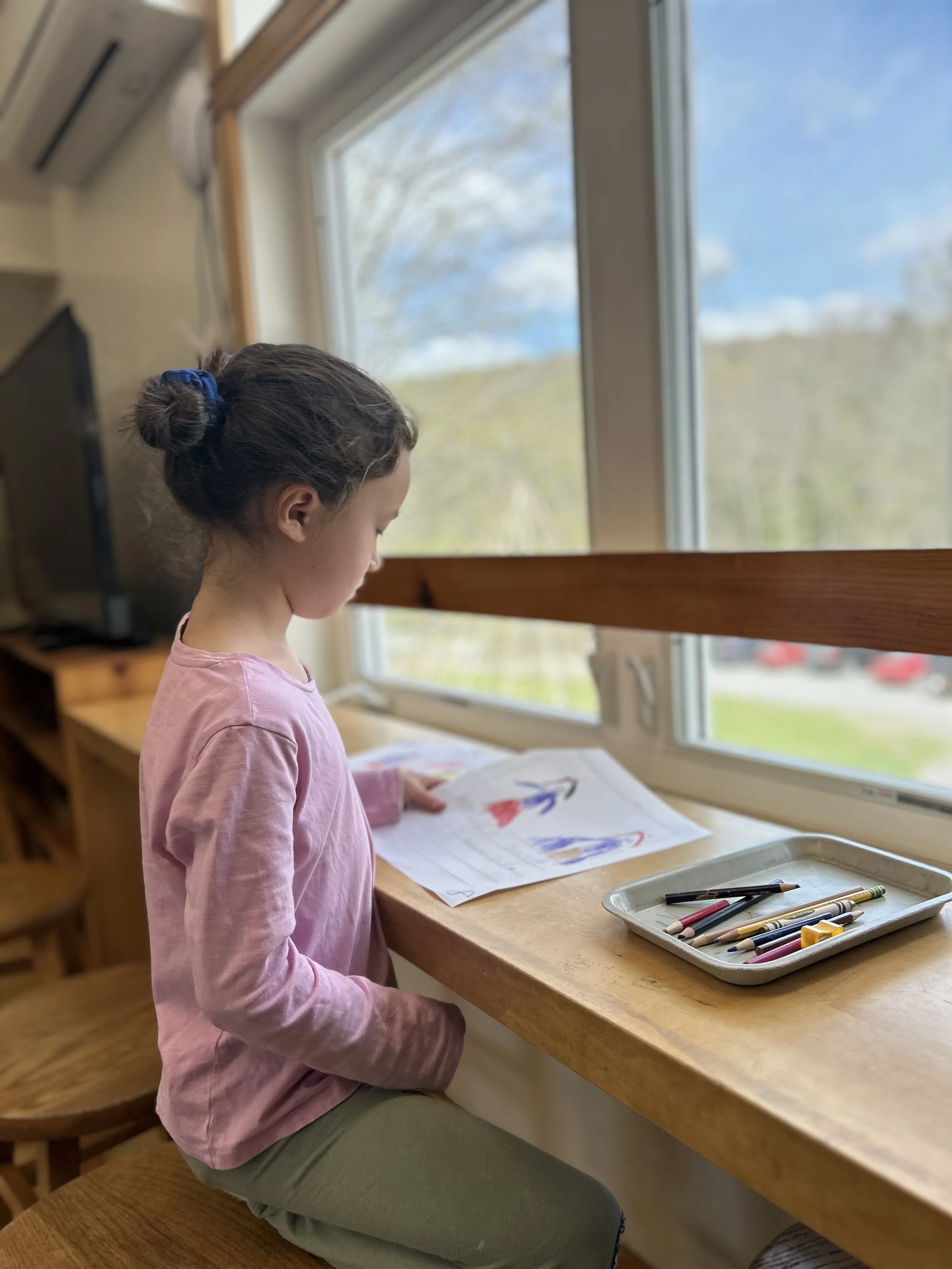
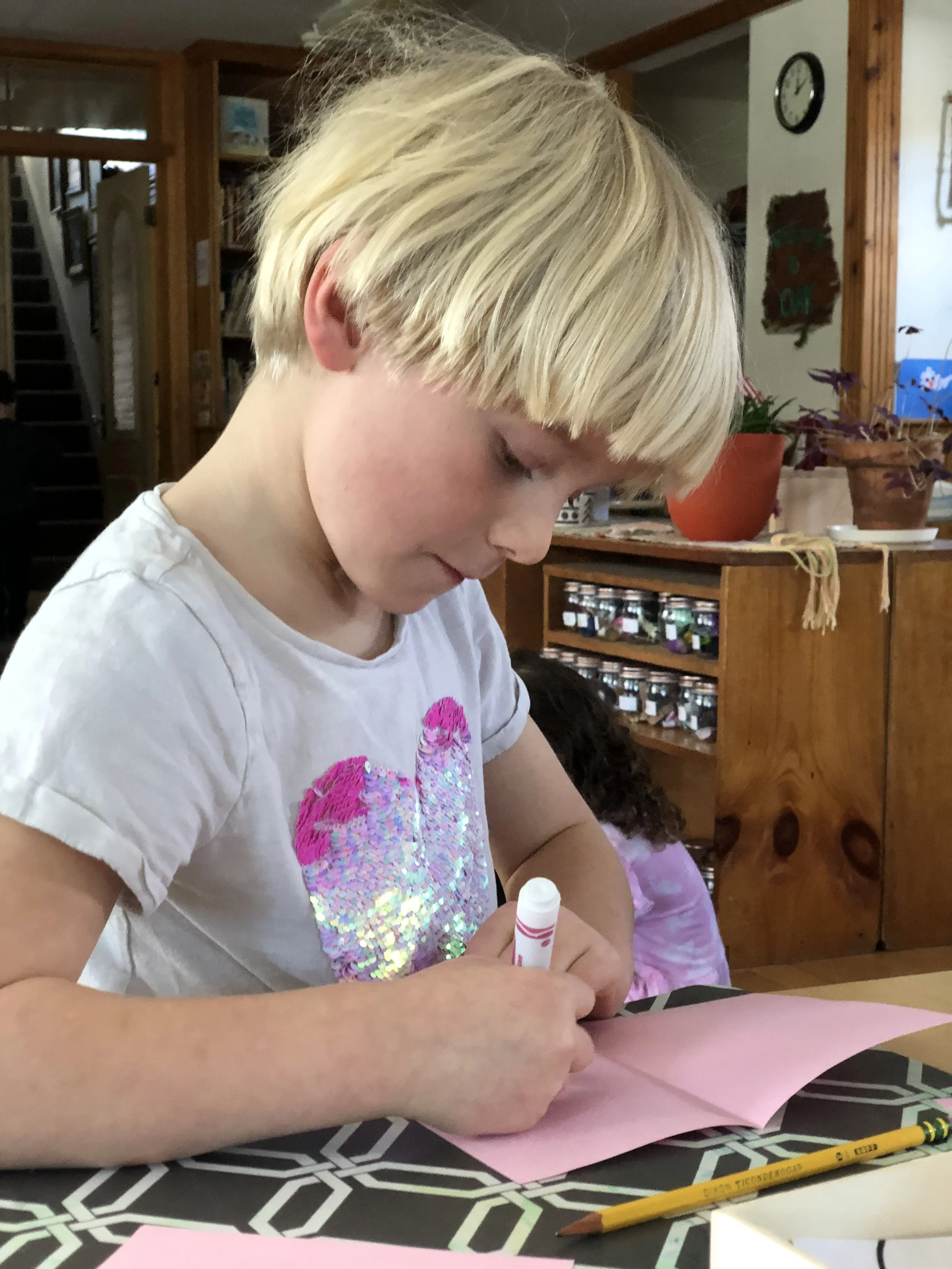
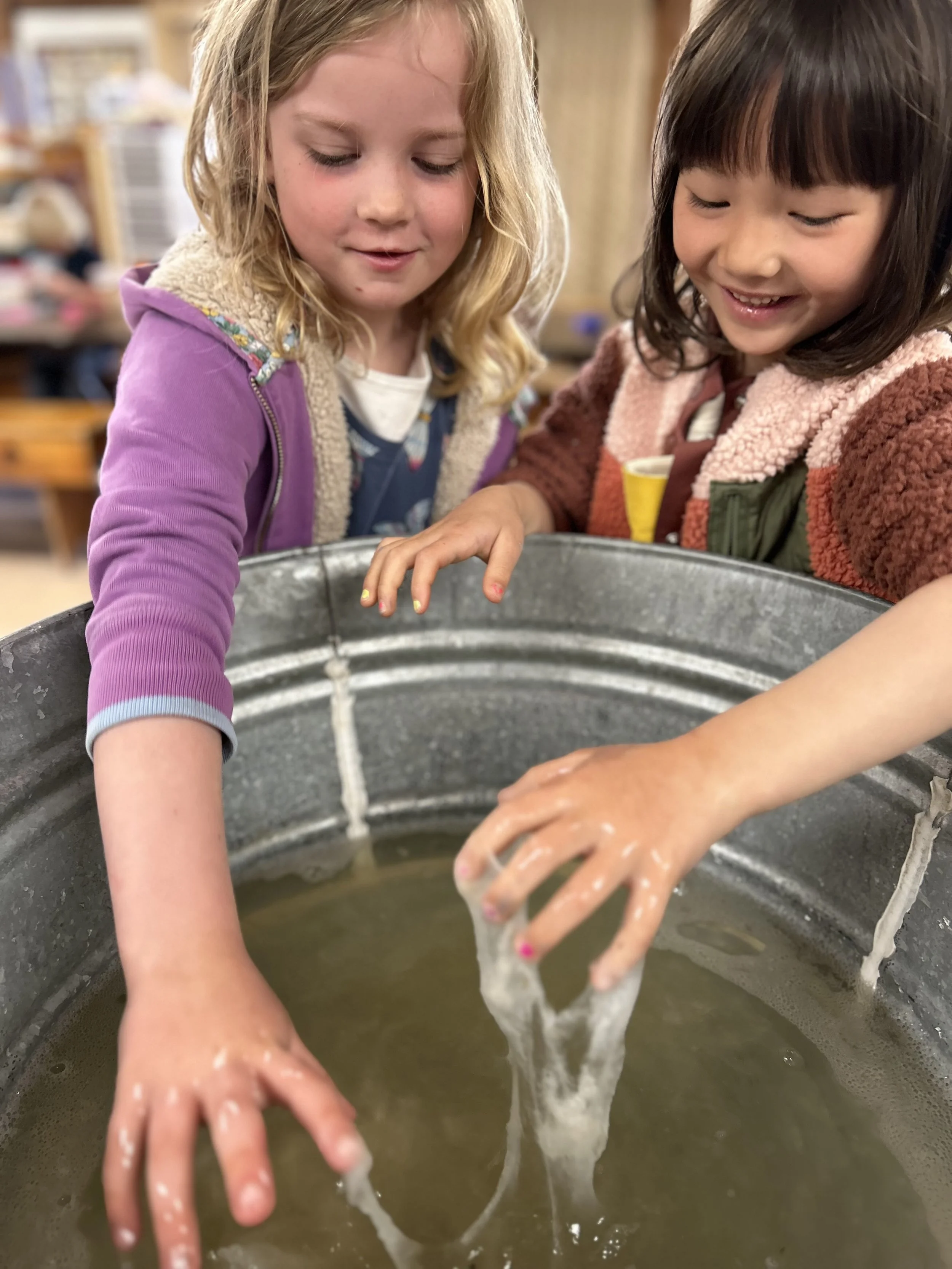
Experiential learning at Homestead goes beyond the hands-on application of academic lessons. Practical life lessons are woven into the daily school schedule. Responsibilities such as preparing food and snacks, cleaning the classroom and tables at the end of the day, and disposing of compost, garbage, and recycling become a part of our students’ work. At the Homestead School, these early years also include venturing into a wider world of field trips, ski club, and outdoor adventures where exposure to new places, people, and ideas fill out a larger view of community.
Service Learning
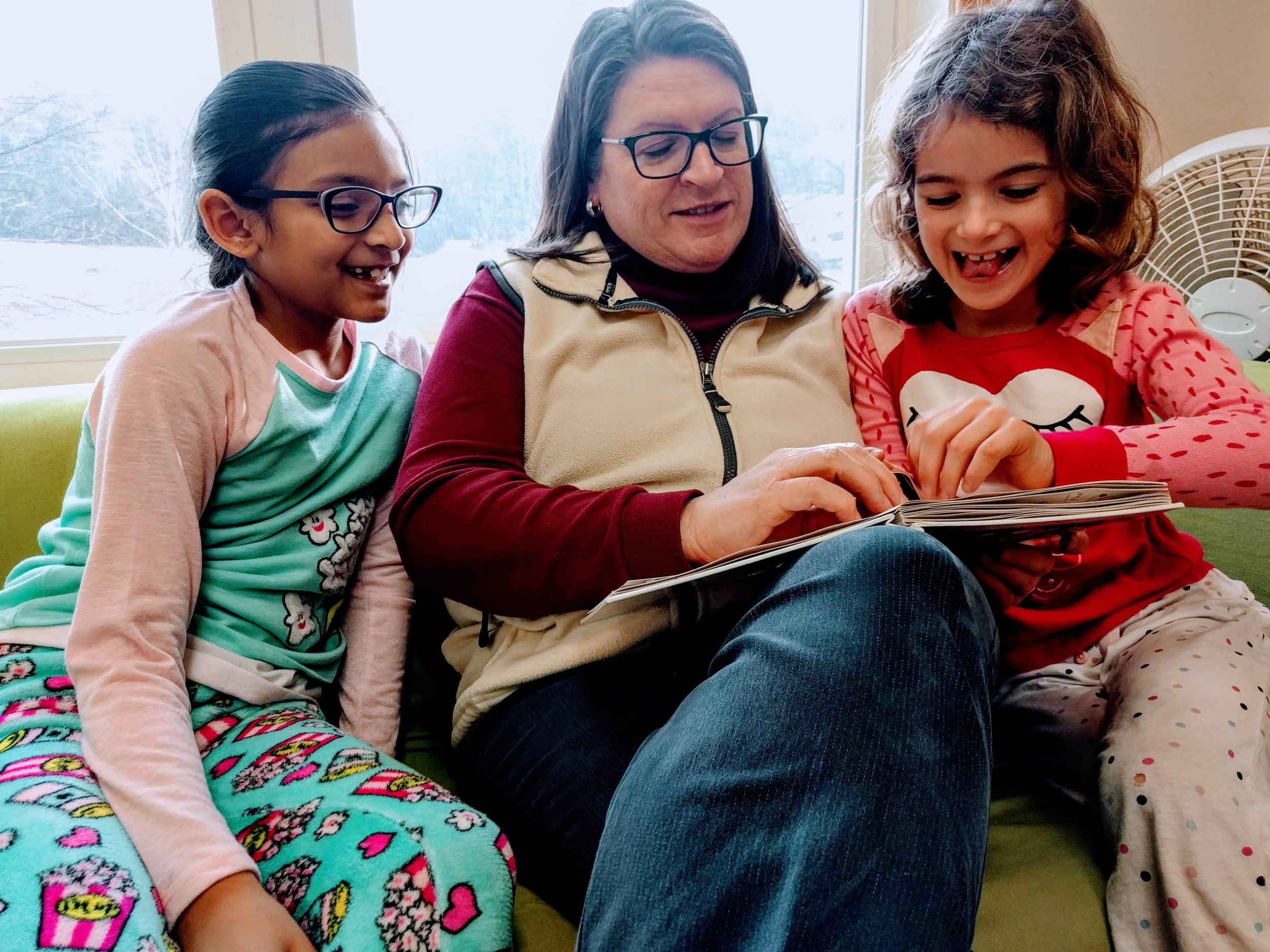
Because, developmentally, children are more attuned to their social environment at this age, we invite children to offer more community service. Reading to younger students in the school, caring for our campus, and volunteering at a local food pantry are some of the ways we show expanded awareness of others as a part of the Homestead Lower Elementary experience.