
Early Childhood (ages 3-6)
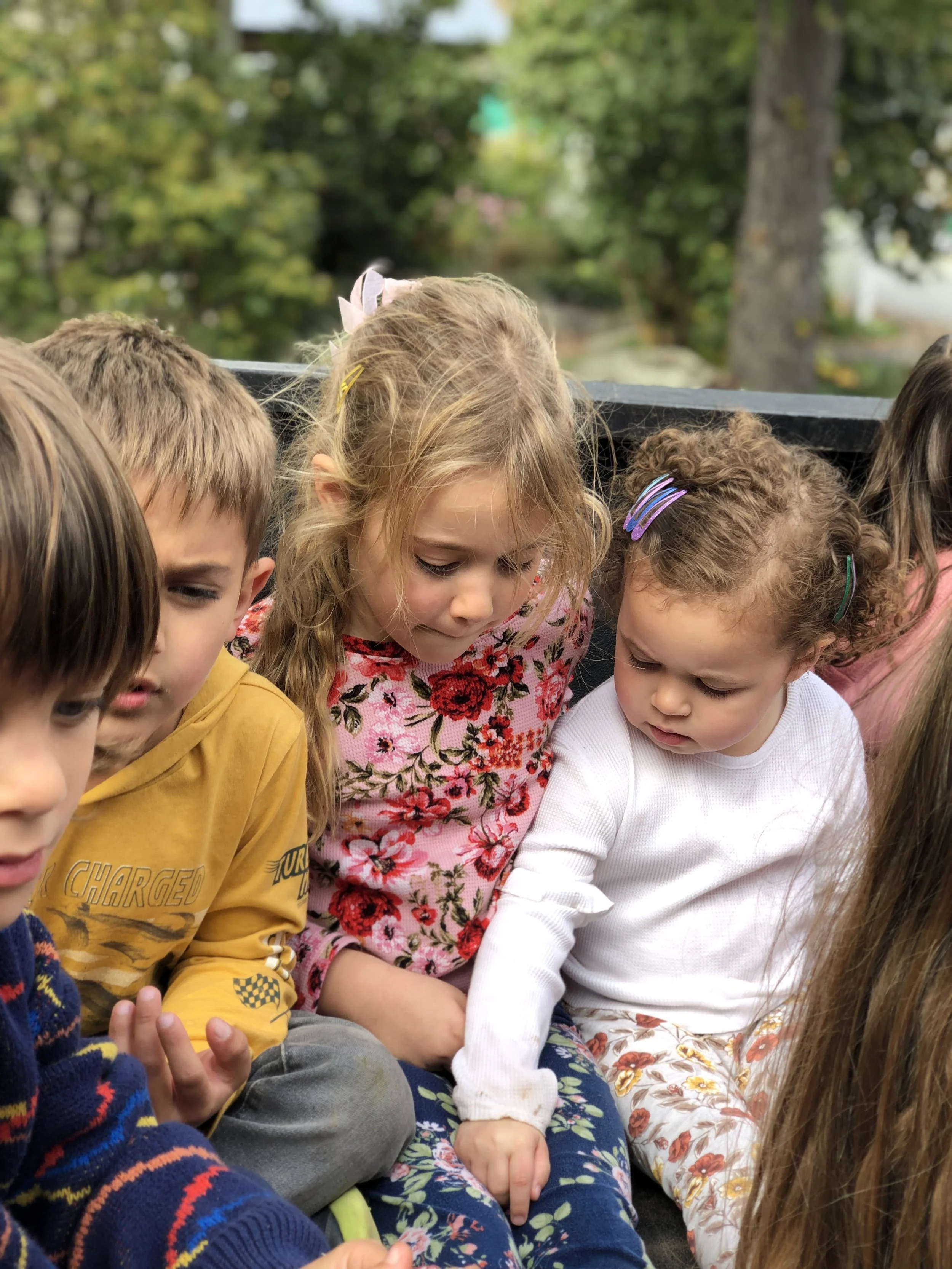
Our Early Childhood Program is for preschoolers and kindergartners, ages 3 to 6 years. Our beautiful classrooms are located in the original farmhouse surrounded by flower and vegetable gardens.
A Typical Day At Early Childhood
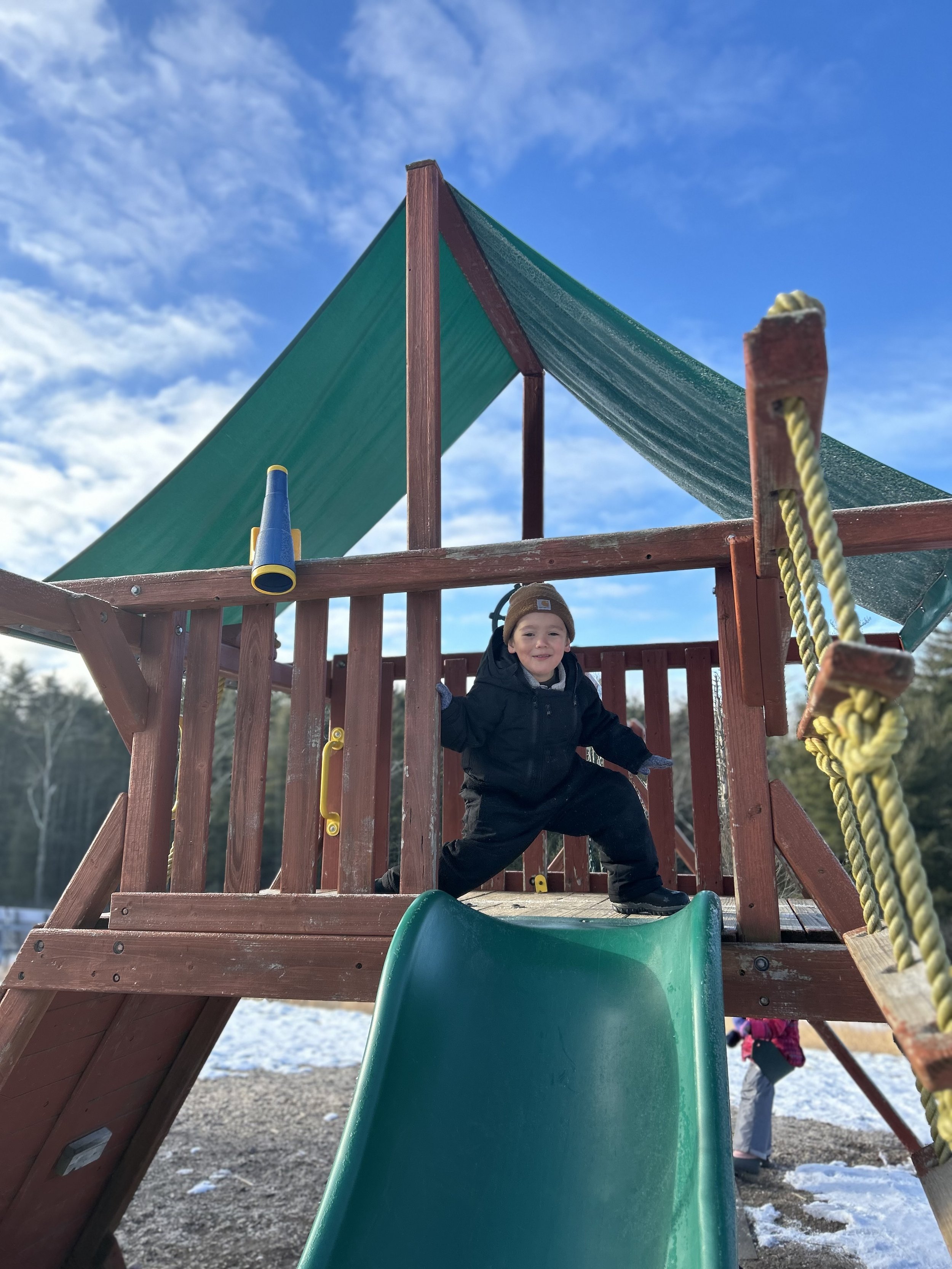
8:00-8:30 am — Drop-Off and free play on playground
8:45-9:00 am — Morning circle
9:00-11:15 am — Uninterrupted work cycle
11:30-12:45 pm — Lunch & Recess
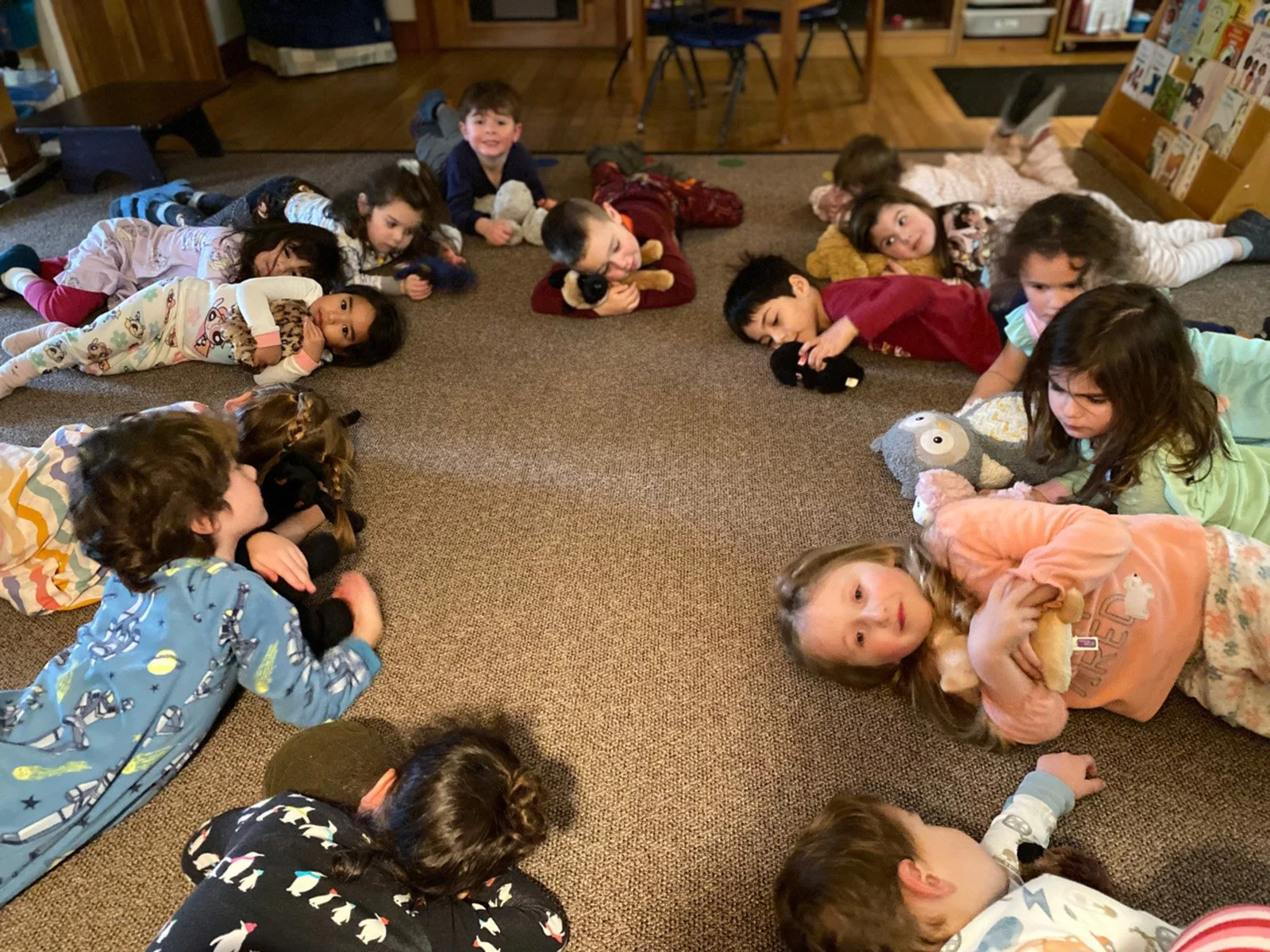
12:45-2:15 pm — Circle time, Story time, Independent work cycle
2:30-3:00 pm — Dismissal
Laying The Foundations For A Lifetime of Discovery And Growth
In these precious years, your child experiences crucial psychological, social, physical, and academic milestones. At Homestead, students learn to care for themselves, the environment, and others.
At the core of the Montessori approach is the honoring of the unique potential of each child. Here, children are given the structured freedom to practice independence and self-formation.
The Role Of The Teacher
The role of the Montessori guide is fourfold:
To create the child centered environment that allows freedom of movement and choice
By close observation, to provide the correct materials for forwarding each child’s development and interest
To give instruction in the proper use of each of the Montessori materials
To develop and guide the culture of the classroom
Developing Focus And Concentration
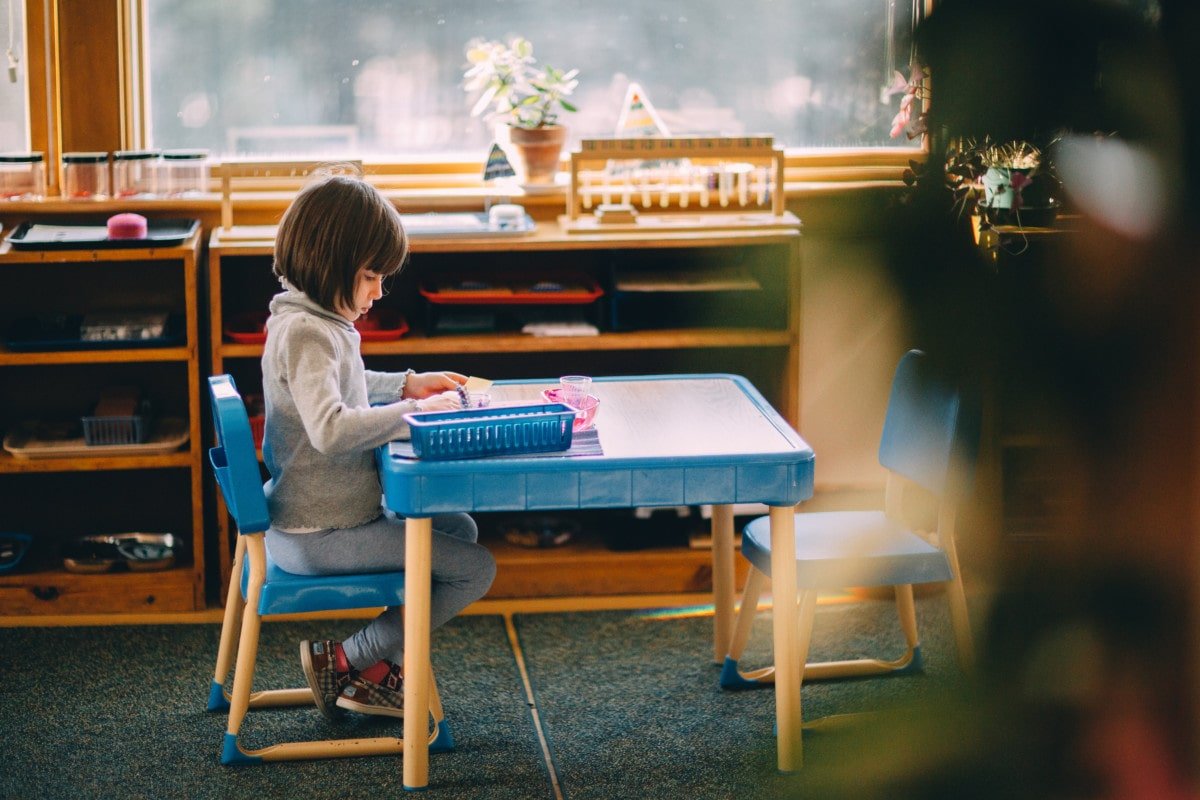
Each meticulously designed learning environment, filled with sequential Montessori learning materials, allows your child to build independence while actively engaged in meaningful work. As children work repetitively with Montessori materials, they develop deeper concentration and increase the ability to focus. They learn how to make decisions, listen, pursue personal interests, concentrate, and follow a task through to completion. Each child finds his or her place within the class, the school, and the larger community — fostering a sense of peace, security, and well-being.



Our Early Childhood Curriculum
Practical Life
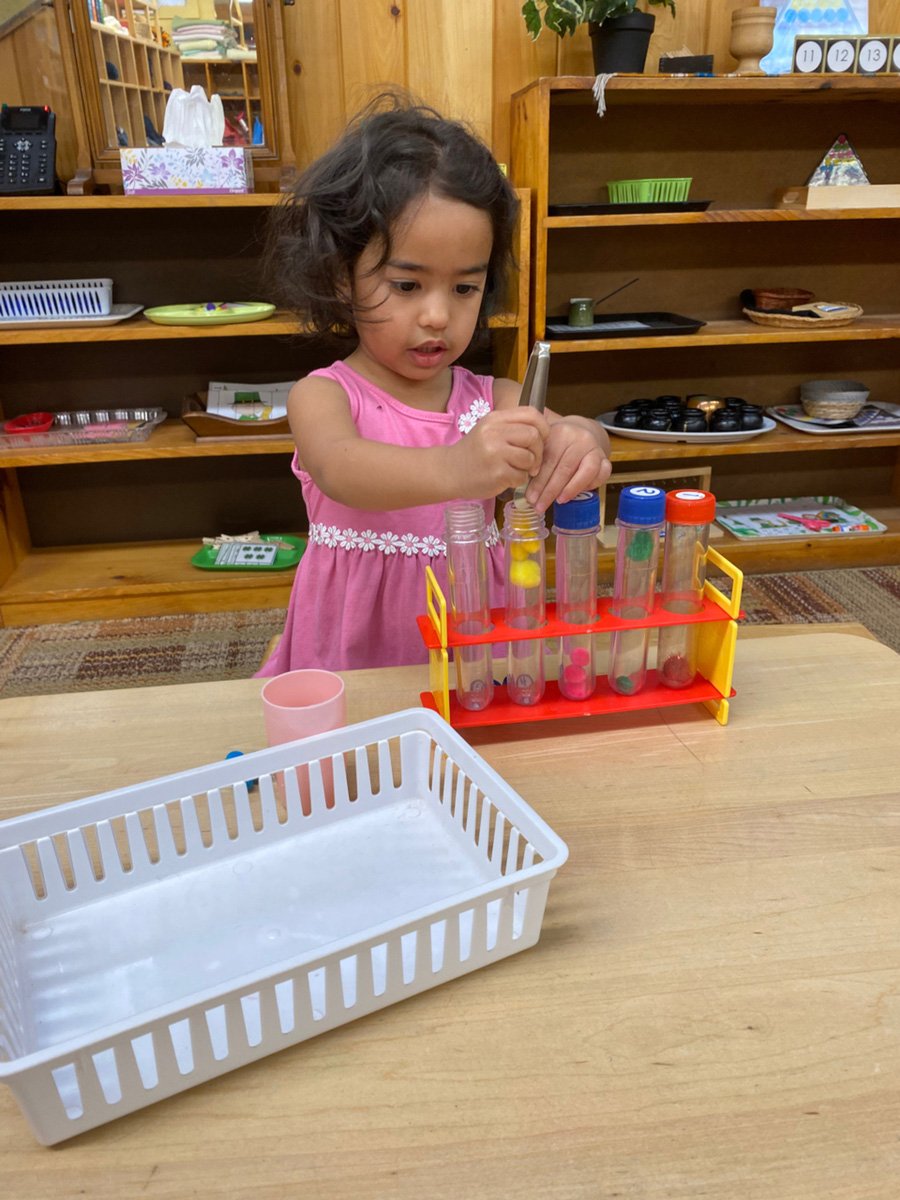
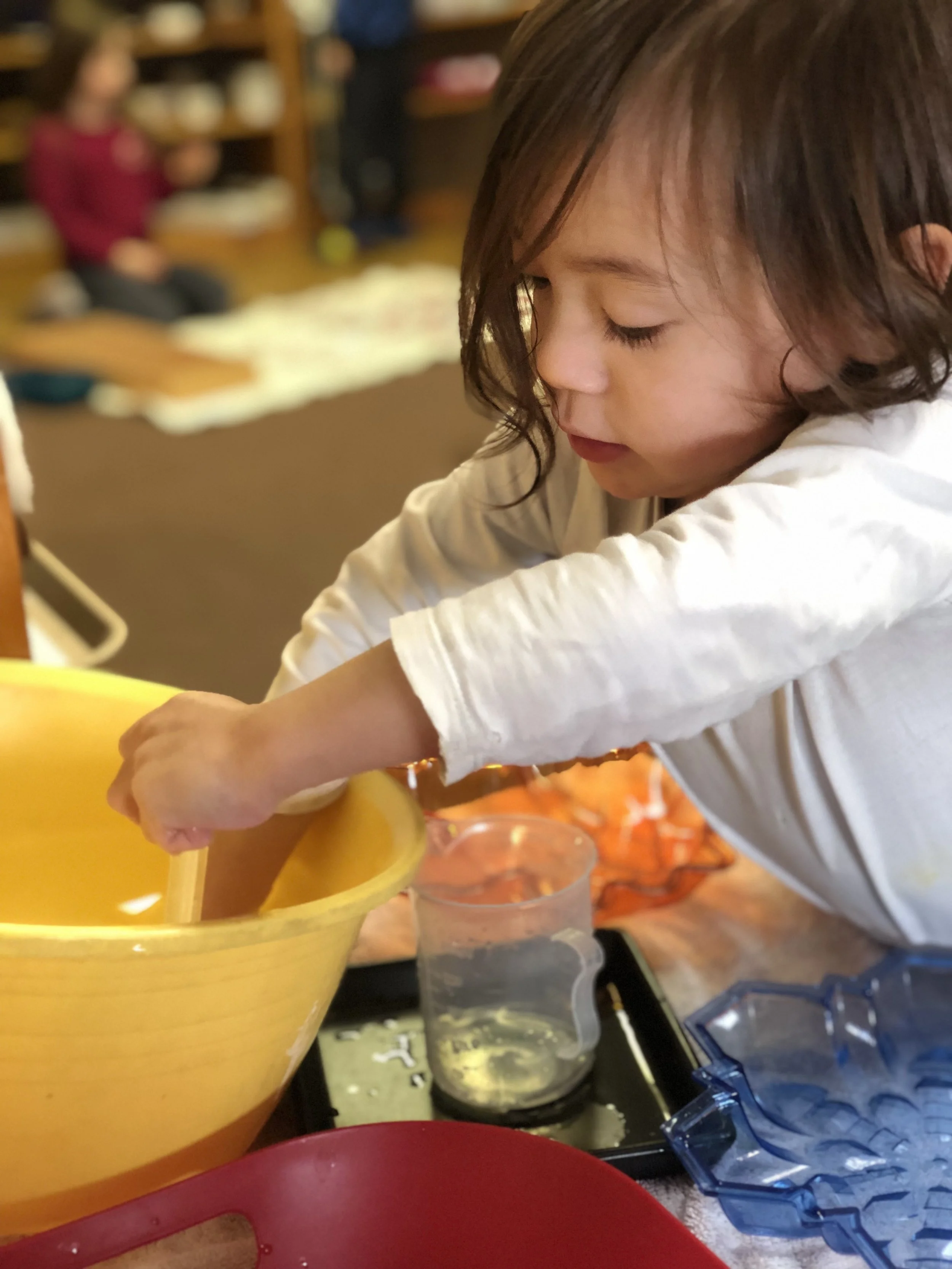
Children are drawn to this area because they inherently understand that the work they do here empowers them to participate more fully in their home life. Activities in this area range from cleaning up and pouring water to washing dishes and preparing snacks.
Practical Life teaches your child to care for herself as she practices lacing, buttoning, zipping, and tying. Each work in this area develops fine motor skills, hand strength, and the grip necessary for writing. During this sensitive period, Practical Life helps children grow into confident, independent individuals who understand that they have the ability to contribute to the world around them.
Language Arts
In Early Childhood, children learn to write before they read. Our students connect sound and letter symbols through tracing sandpaper letters and further activities such as matching the sound with tiny beautiful objects (a point of interest for young children) and picture-word association. Even before your child’s hand has developed the strength for using a pencil, she will be busy “writing stories” by dictating or composing with the moveable alphabet. The moveable alphabet allows your child to construct words, and later sentences, while bringing attention to the sounds that build each word.
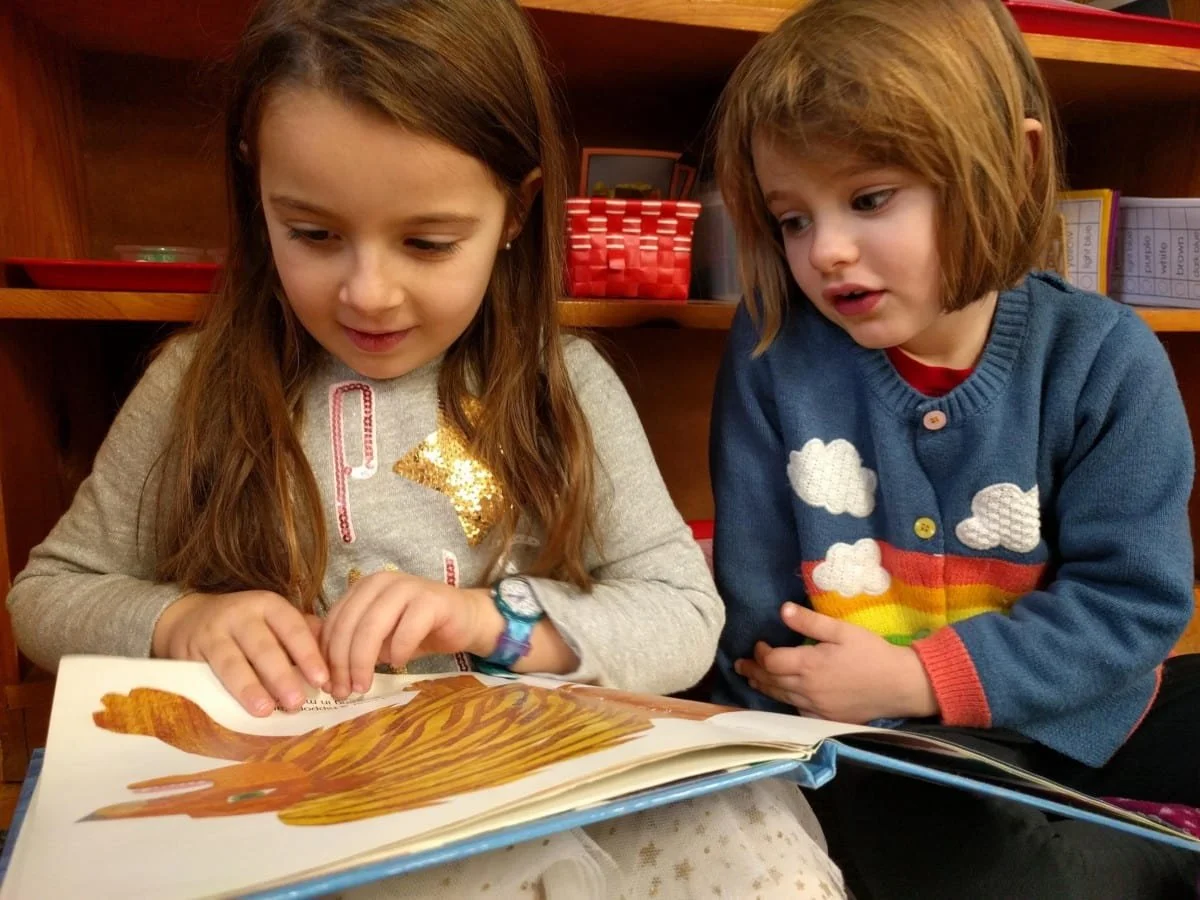
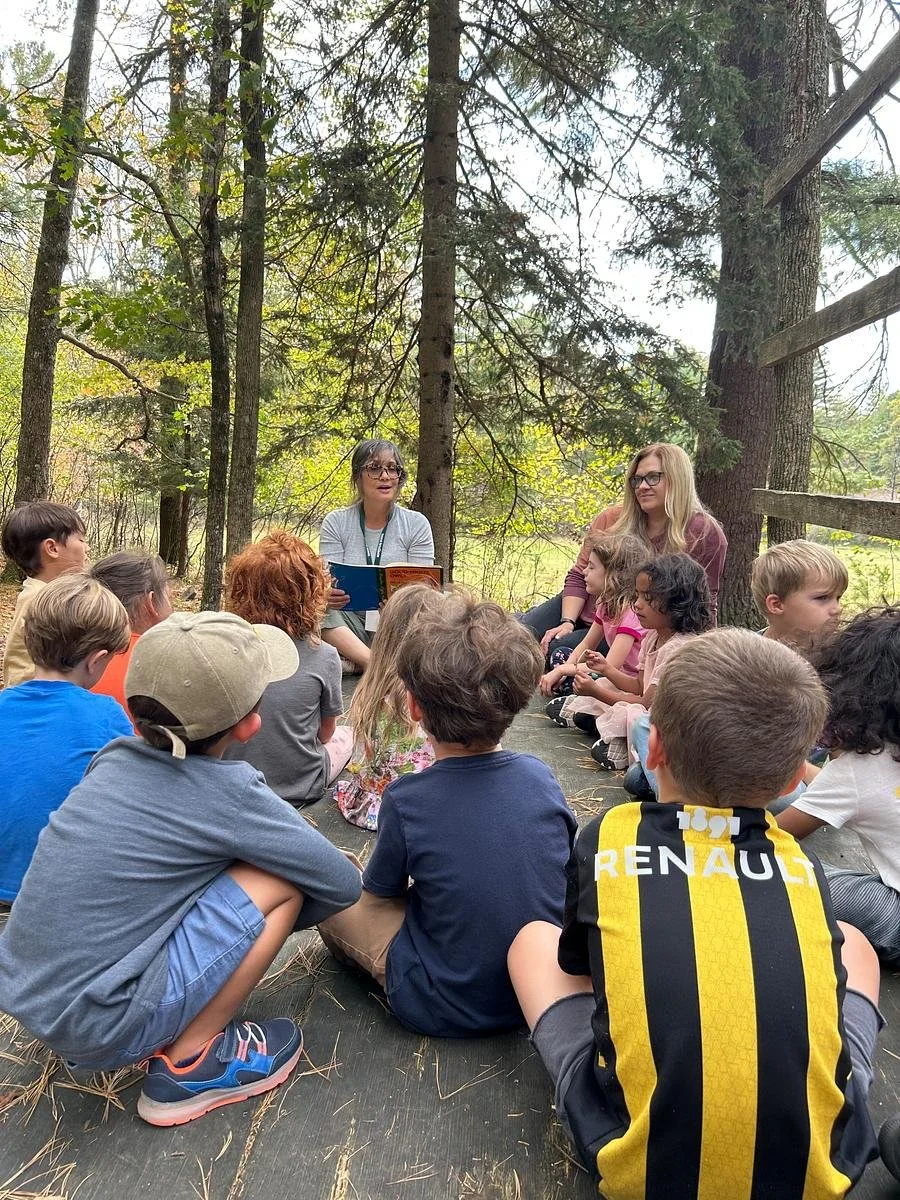
A love for literacy is cultivated through daily story time. Each classroom has a cozy reading nook filled with books. All of this inspires curiosity and motivation to learn, and prepares a child to read and write with confidence.
Sensorial Learning
Young children primarily explore through their senses. Our sensorial area allows your child to learn how to order, classify, and grasp abstract concepts such as length, width, mass, and temperature through the use of concrete materials. This, in turn, allows your child to become more logical and perceptive. Typical materials include the tower of cubes, brown stairs, red rods, geometric solids, sound cylinders, Montessori bells, and other matching activities with color, weight, texture, and dimension.
The genius of the Montessori approach is that through work with materials such as the binomial and trinomial cube, your child will be able to grasp advanced abstract concepts such as squaring and cubing, while engaging at a purely sensorial level.
Mathematics
In our Early Childhood curriculum, your child will internalize the very abstract concepts of numbers, symbols, logical sequences, and basic math operations. Children are guided through sequential work in three math tracks: linear counting, operations, and place value/decimal system.
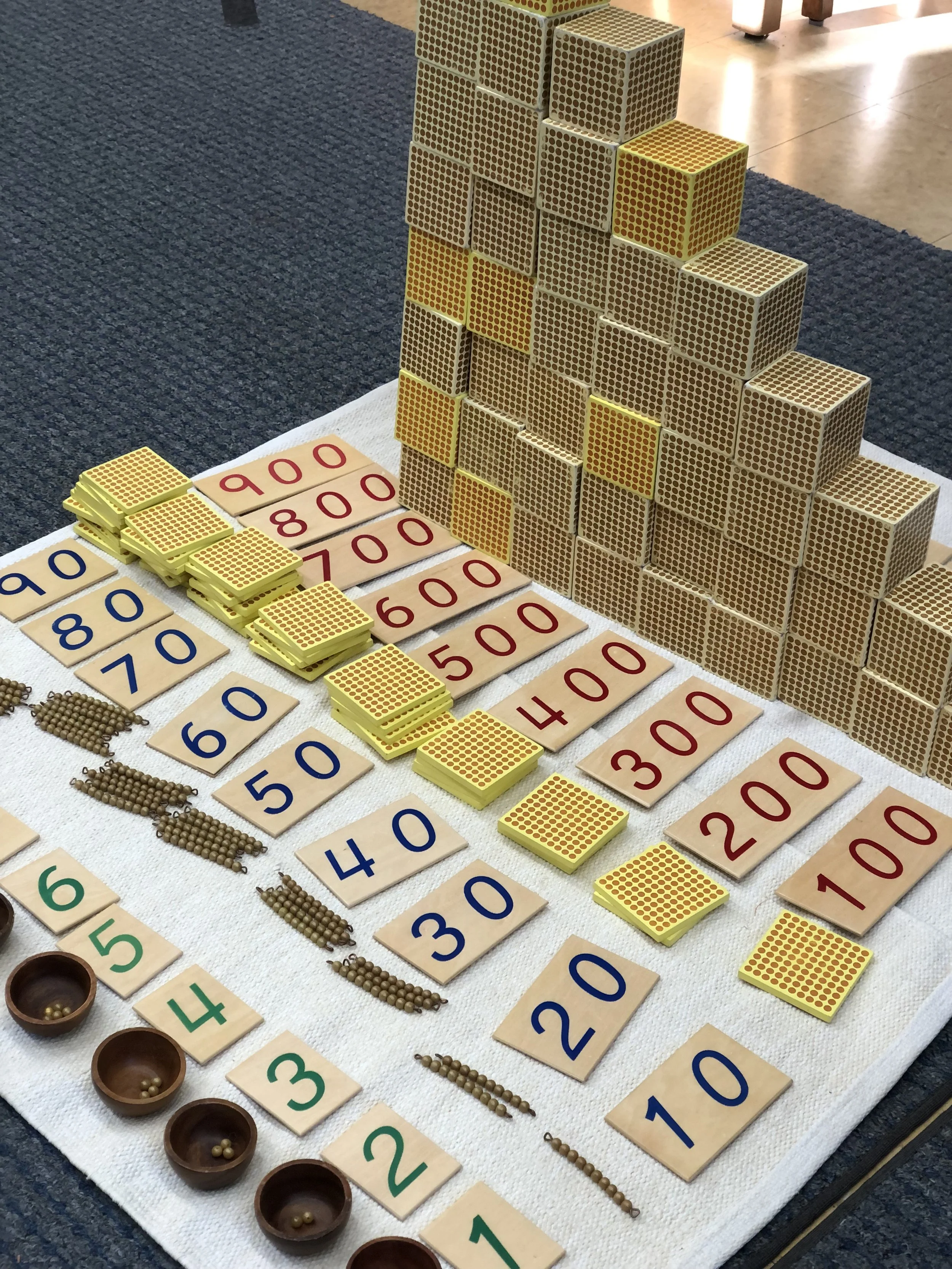
Numerals and counters help students make 1:1 number to symbol associations, while operations with objects give them a concrete experience of addition, subtraction, multiplication, and division. Our students love to work with the Montessori bead bars, hundred board, short chains, and long chains that teach linear counting and lay the groundwork for multiplication. Finally, place value is taught with the beautiful golden bead material designed by Maria Montessori herself.
Cultural Studies
Children of this age are captivated by factual learning and love to share what they have come to understand about the world around them. This area exposes your child to age-appropriate topics in geography, history, life science, earth science, and cultural studies. Your child will travel around the world over the school year, spending months immersed in different cultures, or travel through our solar system visiting each planet, learning about key scientific concepts and historical figures along the way. After studying a topic, students develop their vocabulary and share what they have learned by creating booklets and picture stories.
World language and music lessons begin in Pre-K and Kindergartners begin formal instruction in art.
Humanitarian & Environmental
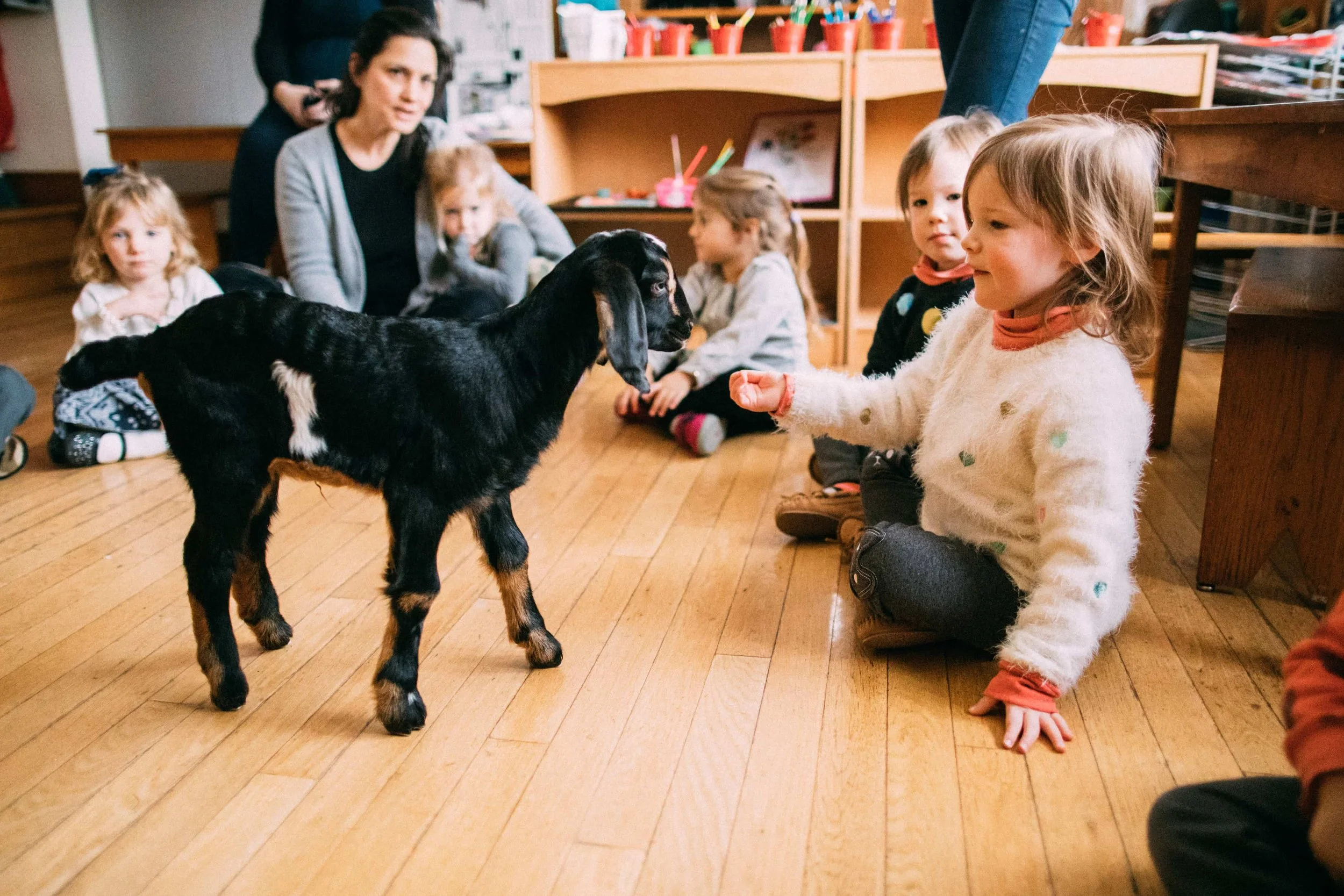
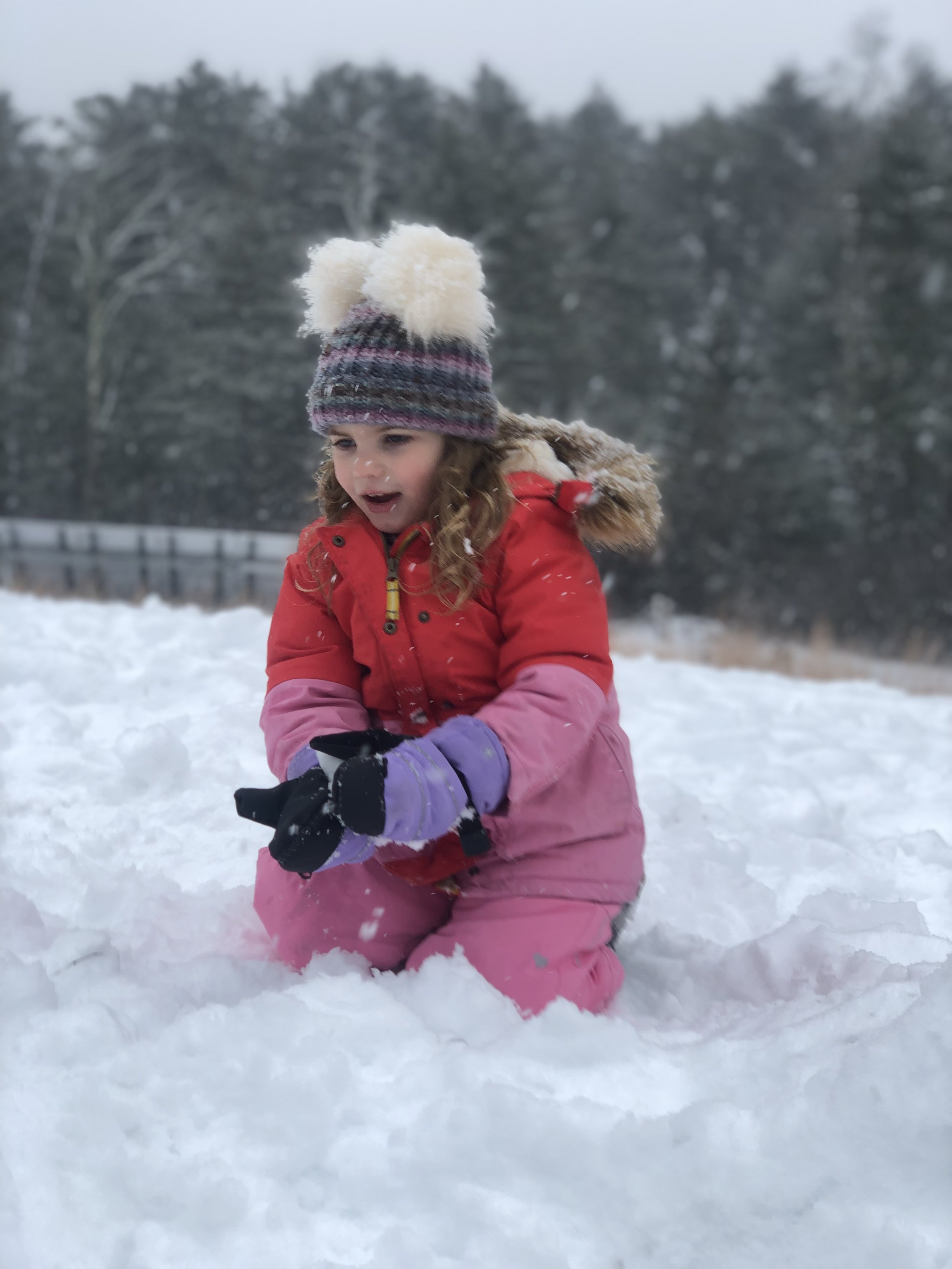
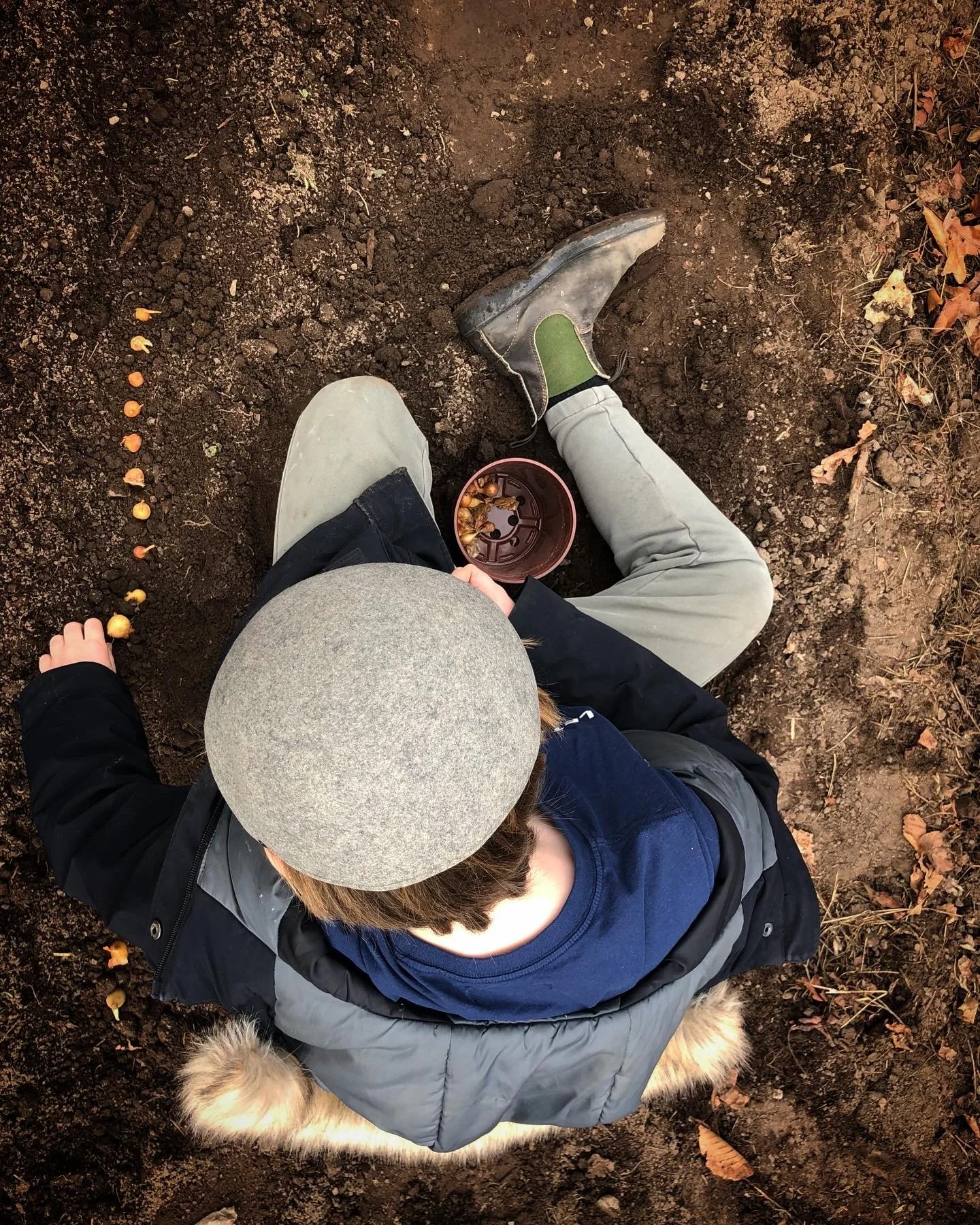
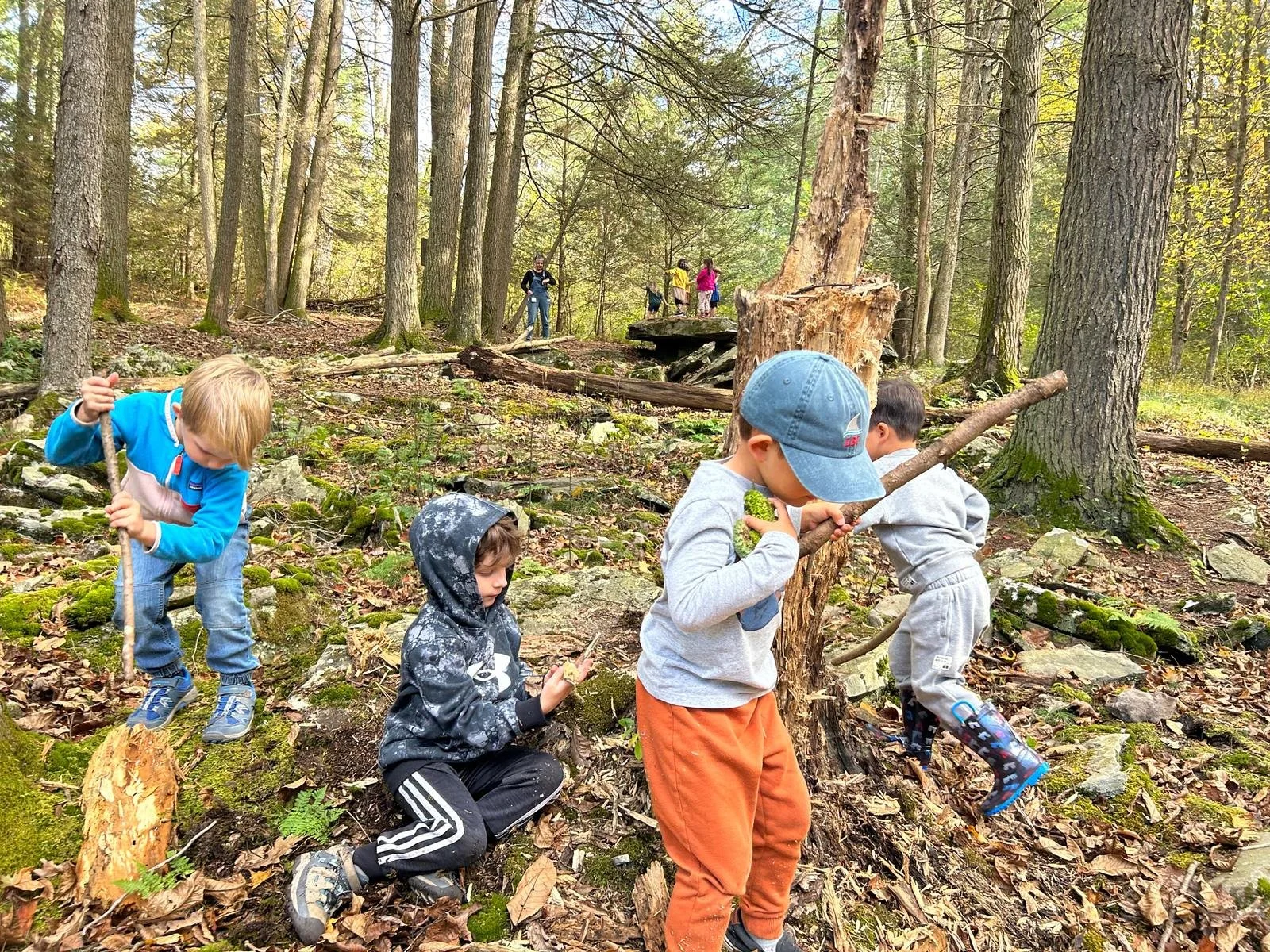
At the Homestead School, we weave a humanitarian and environmental thread through all of our learning. We explore the relationships within nature and the human relationship to nature through class hikes on our expansive 100-acre campus. Free play and guided activities allow our little ones to develop a first-hand connection to the natural world. We study plant and animal life-cycles with hands-on activities. We learn to care for plants by growing them in classrooms, school gardens, hoop houses, and our tropical bio dome. Children learn to care for animals through having classroom pets and visiting with the farm animals.